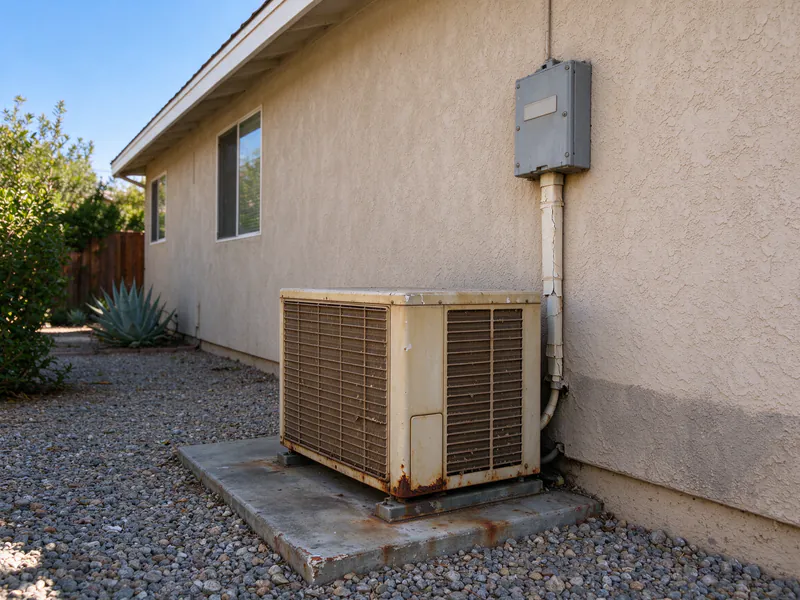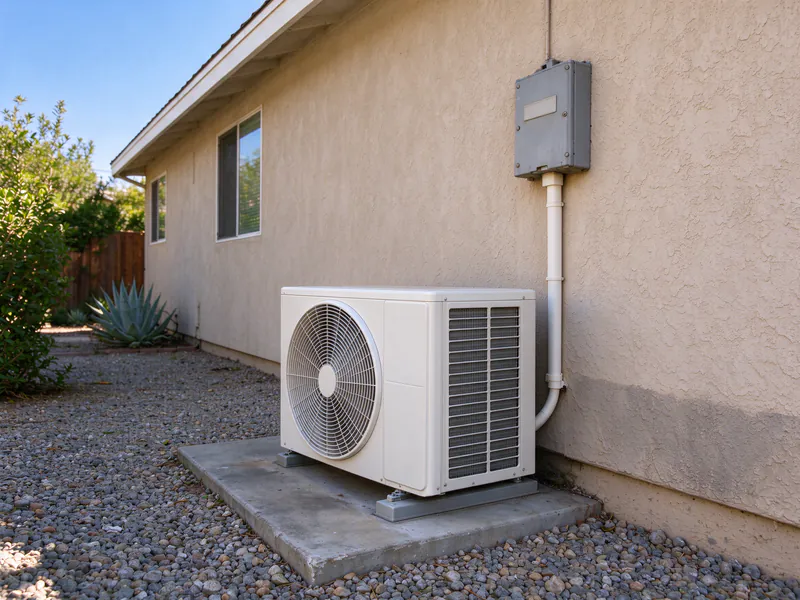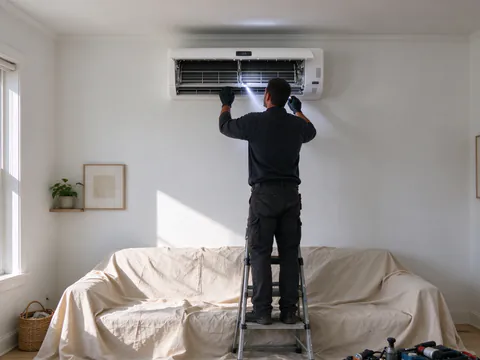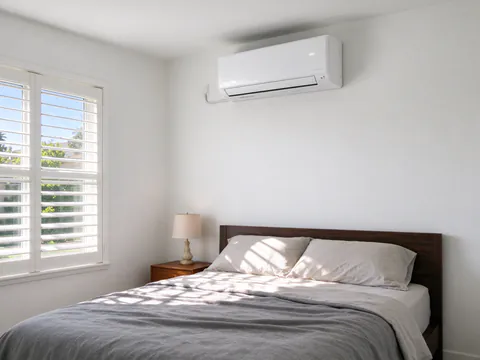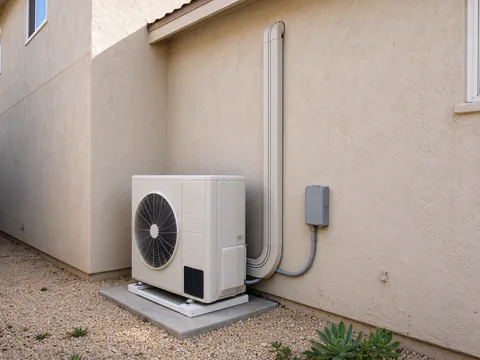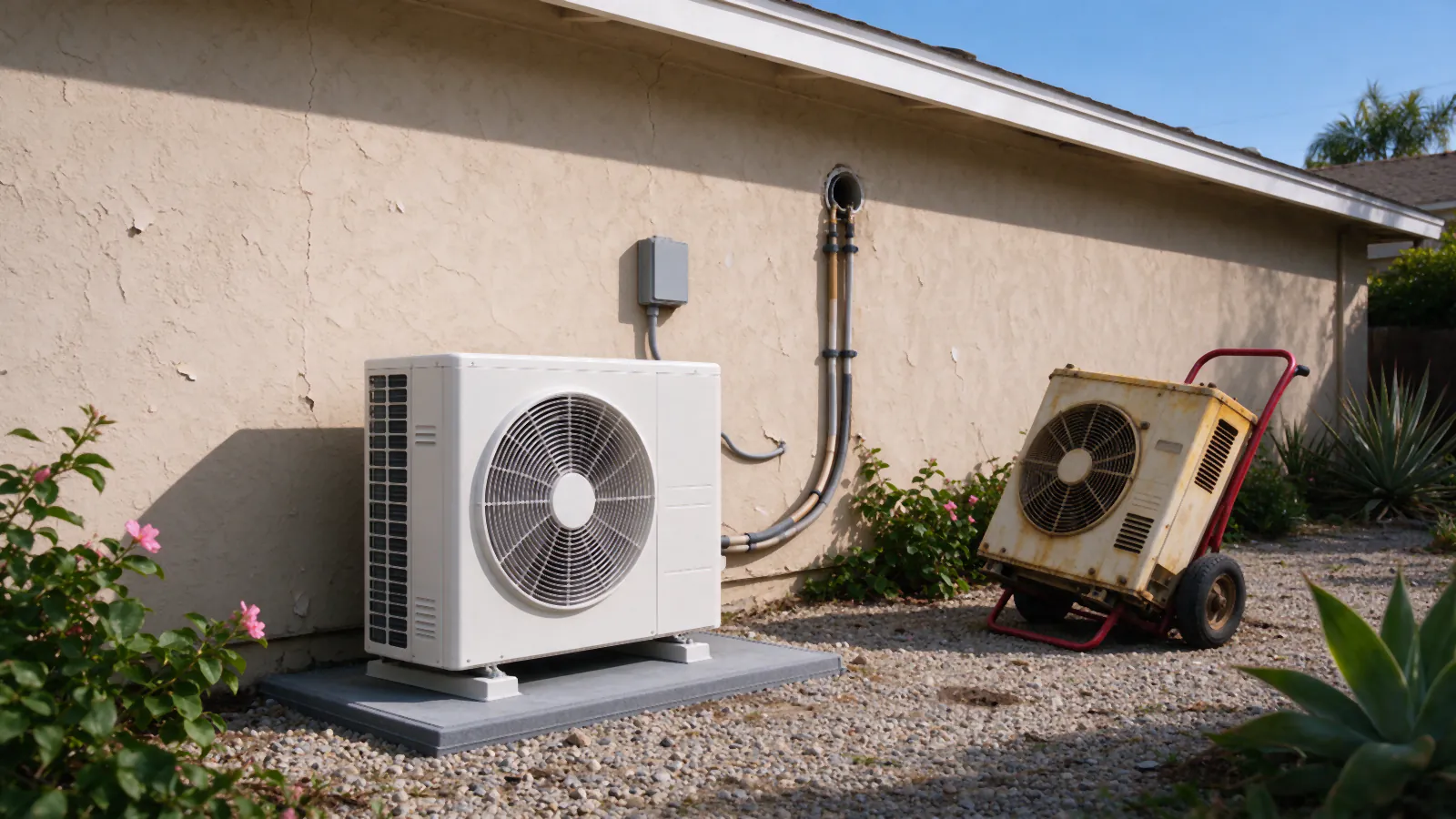
Mesa Mini Split San Diego replaces aging and failed mini splits across San Diego and San Diego County, from a single wall head in a bedroom to multi-zone systems serving a whole house. The work is carried out by licensed and insured contractors holding the California C-20 (HVAC) license, and systems from any original installer are in scope.
Replacement sits between two other kinds of work. It is not new installation, because a line set, a drain, a circuit and a wall penetration already exist and may be reusable. It is not repair either, because the equipment itself is being retired. A good replacement scope decides what stays, what goes and why, and starts by asking why the old system is failing. A unit that iced up for years because it was oversized for its room will fail the same way if the replacement is sized the same.
Repair or replace: how the decision is made
There is no fixed rule, but the reasoning is consistent. Repair usually makes sense when the system is younger, roughly under ten years old, and the repair costs well under half of what replacement would. Replacement starts to win when the compressor has failed on an older system, when breakdowns keep repeating, when parts or the system’s refrigerant are no longer supported, or when the system never conditioned the room well in the first place.
Cost context helps. A compressor replacement typically starts around $1,400 and can pass $3,500 for San Diego-area systems, while a new single-zone system typically runs about $3,000 to $7,500 installed. Homeowners report getting replacement pushes with conflicting diagnoses when they asked for a repair, so a written diagnosis that names the failed part and how it was tested is a fair thing to ask for. The mini split repair page covers the repair side.
What can be reused
The line set
An existing line set can sometimes be reused, but never automatically. Four conditions decide it.
- Diameter and length. The liquid and suction lines must match the sizes the new unit’s installation manual specifies, and the run must sit inside its length and elevation limits. A new outdoor unit with different connection sizes may need adapters the manufacturer allows, or new lines.
- Cleanliness. Lines from a system whose compressor burned out can carry acid and contaminated oil. Lines left uncapped after the old unit was pulled can take on moisture and debris. Either usually means new lines.
- Refrigerant and oil compatibility. Older R-22 systems used a different oil from R-410A and newer A2L-refrigerant equipment. Lines that carried R-22 are generally replaced rather than flushed and gambled on. Lines from an R-410A system may be acceptable for some newer equipment, depending on the manufacturer.
- The manufacturer’s rules. The new equipment’s manual sets the conditions for reuse, and some manufacturers limit it. The manual wins over convenience.
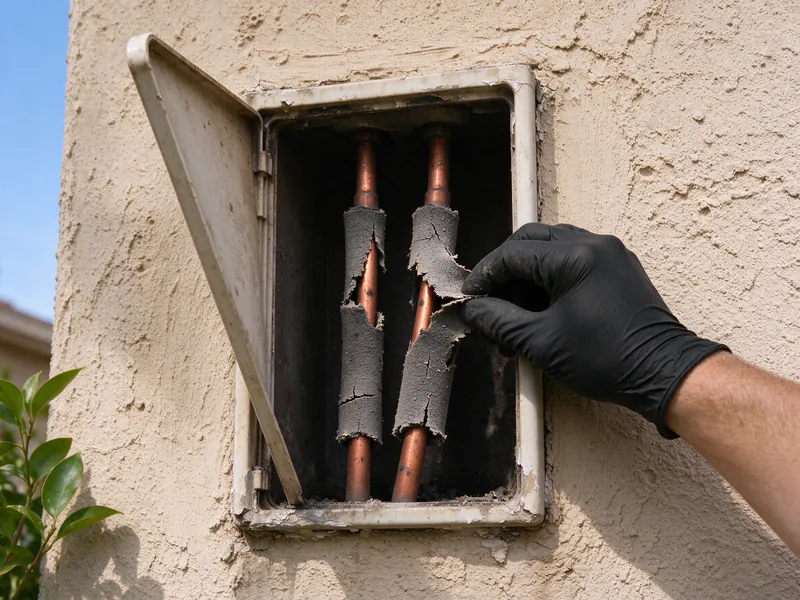
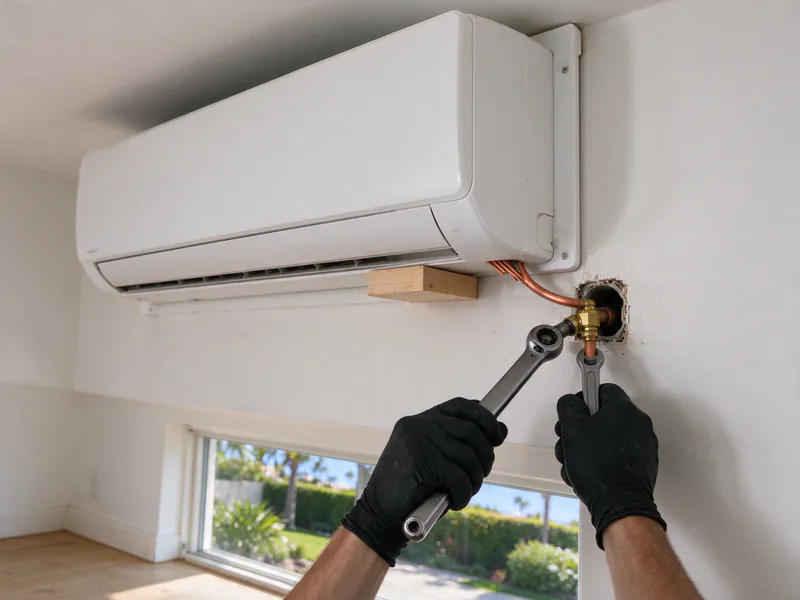
Reused lines get new flare connections, a nitrogen pressure test and a micron-gauge evacuation like new ones. In San Diego sun, the insulation on an exposed run is often cracked or brittle even when the copper is fine, and is replaced either way. The new unit also has to suit the room’s load and the house’s electrical service, which the sizing guide and the electrical requirements guide cover.
Drain, wiring, brackets and the wall
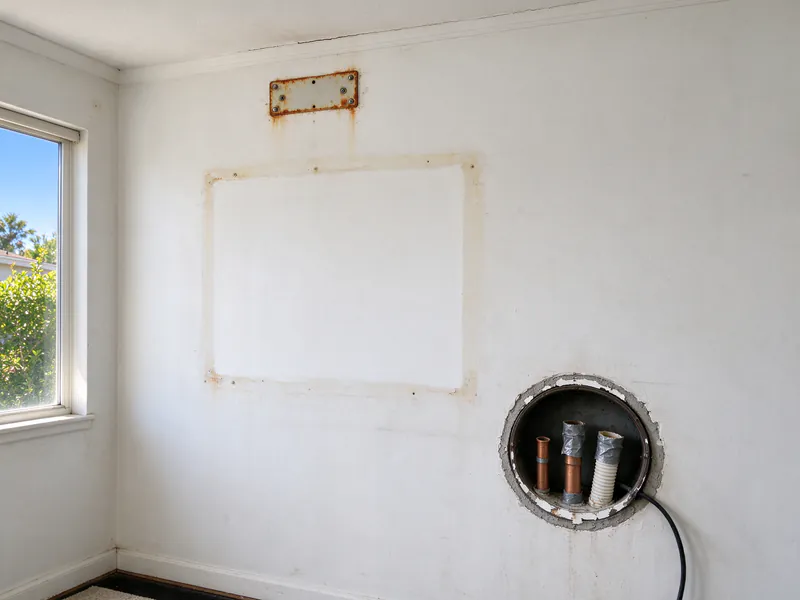
The condensate line can be reused if it still slopes continuously, is clean and lines up with the new head’s drain port, which may sit on the other side. The control cable must have the conductor count and gauge the new manual calls for. The circuit breaker and wire must match the new outdoor unit’s nameplate, which can differ from the old one. Outdoor wall brackets and pads are checked for rust, which near the coast can be advanced, and for the new unit’s footprint and weight. Indoors, a new mounting plate rarely matches the old one exactly, so the old head’s outline, screw holes and sometimes a second penetration need patching, and the scope says who does that finish work.
Matched equipment
Mini split indoor and outdoor units are designed, tested and rated as matched sets. AHRI’s directory lists the rated combinations, and the efficiency numbers only apply to a listed pair. An old head on a new outdoor unit, or a different brand’s head, is not a supported combination even if the connections fit. On a multi-zone system, a new outdoor unit may not accept older heads, which turns a one-part replacement into a whole-system one; multi-zone mini split installation explains how those systems are designed.
Old refrigerant handling
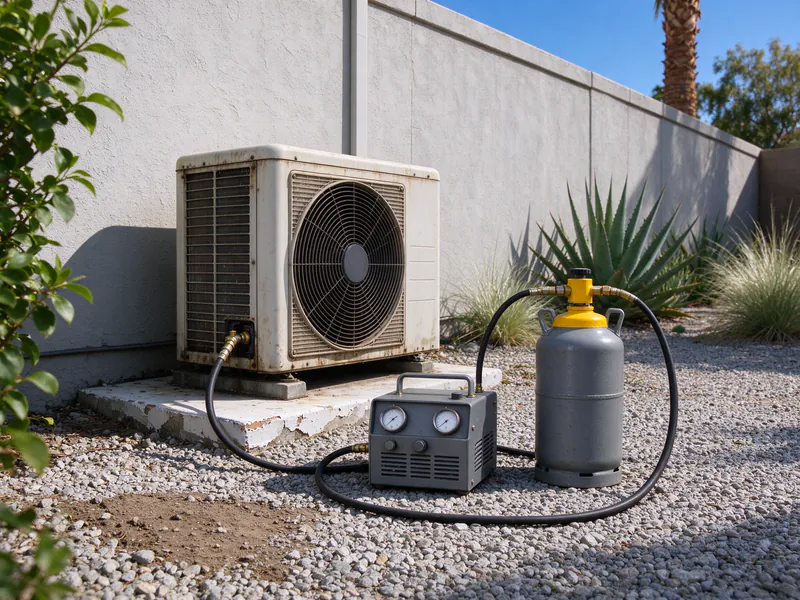
Before the old system is disconnected, its refrigerant is recovered into a cylinder. The California Energy Commission notes that removal requires recovery by a technician certified under EPA Section 608 for Type II or Universal work. The old units then leave for recycling. A replacement scope that does not mention recovery is missing a step.
Permits, Title 24 and SB 222 swapouts
The City of San Diego’s permit guidance says installing or replacing a mini split at a house or duplex needs a no-plan combination permit, while repair-only work does not. The fee schedule lists $176.57 for the first mini-split air handler and $52.39 for each additional one, so the permit starts from $176.57 and the exact total is set when it is issued. The contractors pull it and coordinate inspection. Title 24 treats replacement as an alteration, and the California Energy Commission says field verification is prescriptively required for most HVAC alterations; for a heat pump that includes refrigerant charge verification in every climate zone.
SB 222 (Chapter 738, Statutes of 2026) changes the path for some replacements. From January 1, 2027, a city’s permit fee for a residential heat pump HVAC system is capped at $200 unless the city adopts cost findings, and cities must offer asynchronous inspections by July 1, 2027 and online automated permits for swapouts on or before July 1, 2028. A swapout is defined narrowly: the new equipment goes where the old air handler and outdoor coil were, with no new panel or structural work, and the contractor certifies a Manual J load calculation. A replacement that moves a head or adds a room is not a swapout. How the City of San Diego will apply SB 222 has not yet been published. The permit guide tracks the details.
What replacement costs and what is left in rebates
No reliable published band exists for mini split replacement on its own, so the installation ranges are the nearest reference: about $3,000 to $7,500 for a single-zone system, about $7,000 to $16,000 for two or three heads and from about $13,000 for four or more. Reusing a sound line set, drain and circuit can pull a replacement below a comparable new install; new lines, panel work or a changed layout push it back up. The installation cost guide and the cost estimator give ranges for budgeting.
Most heat pump incentives have closed, including the federal 25C credit for property placed in service after December 31, 2025. Income-qualified programs remain, with eligibility set by each program. The rebates guide tracks what is open, and regular mini split maintenance is the best way to keep the new system out of the replacement conversation for longer.